Reservation Software for Restaurants
Every reservation platform’s marketing page looks the same: a calendar, a table map, a promise of fewer no-shows. What actually differs between them — and what most comparisons skip — is what happens technically once you put one on your own website: whether the booking still counts as yours in your own analytics, what it does to your security headers and cookie consent, and what you actually pay once cover fees and prepayment charges are added in.
Articles in this topic
Best Restaurant Reservation Software in 2026
OpenTable and Resy still lead for most independent restaurants — but Tock is being folded into Resy in 2026, which most comparison lists haven't caught yet.
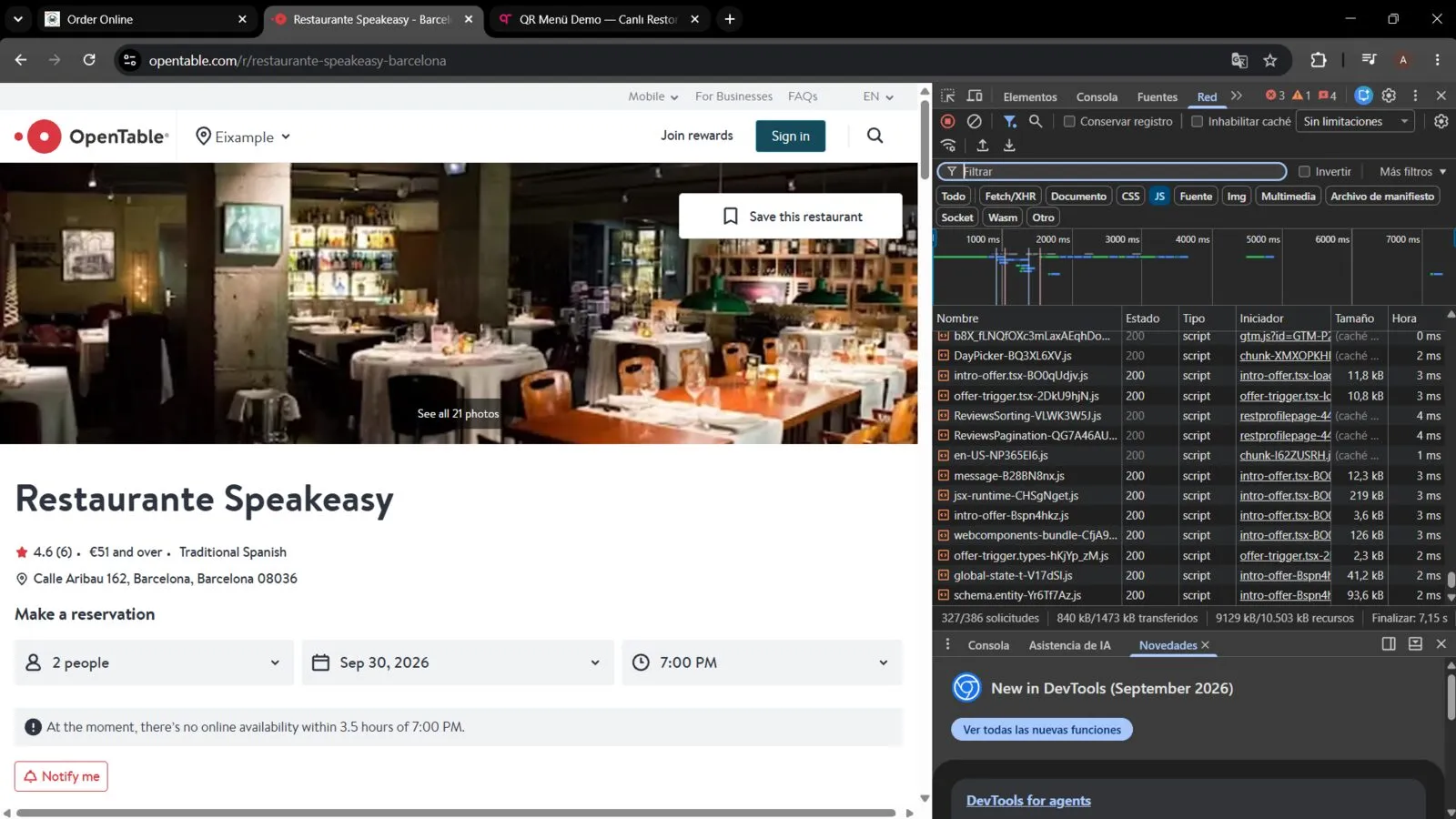
How Much JS Should a Reservation Widget Cost? Measuring It for Real
Homepage totals and vendor marketing pages aren't the number you need. Here is how to measure a specific reservation widget's actual JavaScript weight.
OpenTable vs. Embedding Your Own Reservation Widget
OpenTable charges per cover on top of a monthly fee; Resy charges a flat rate instead. Here is what each path actually costs and what you keep in analytics.
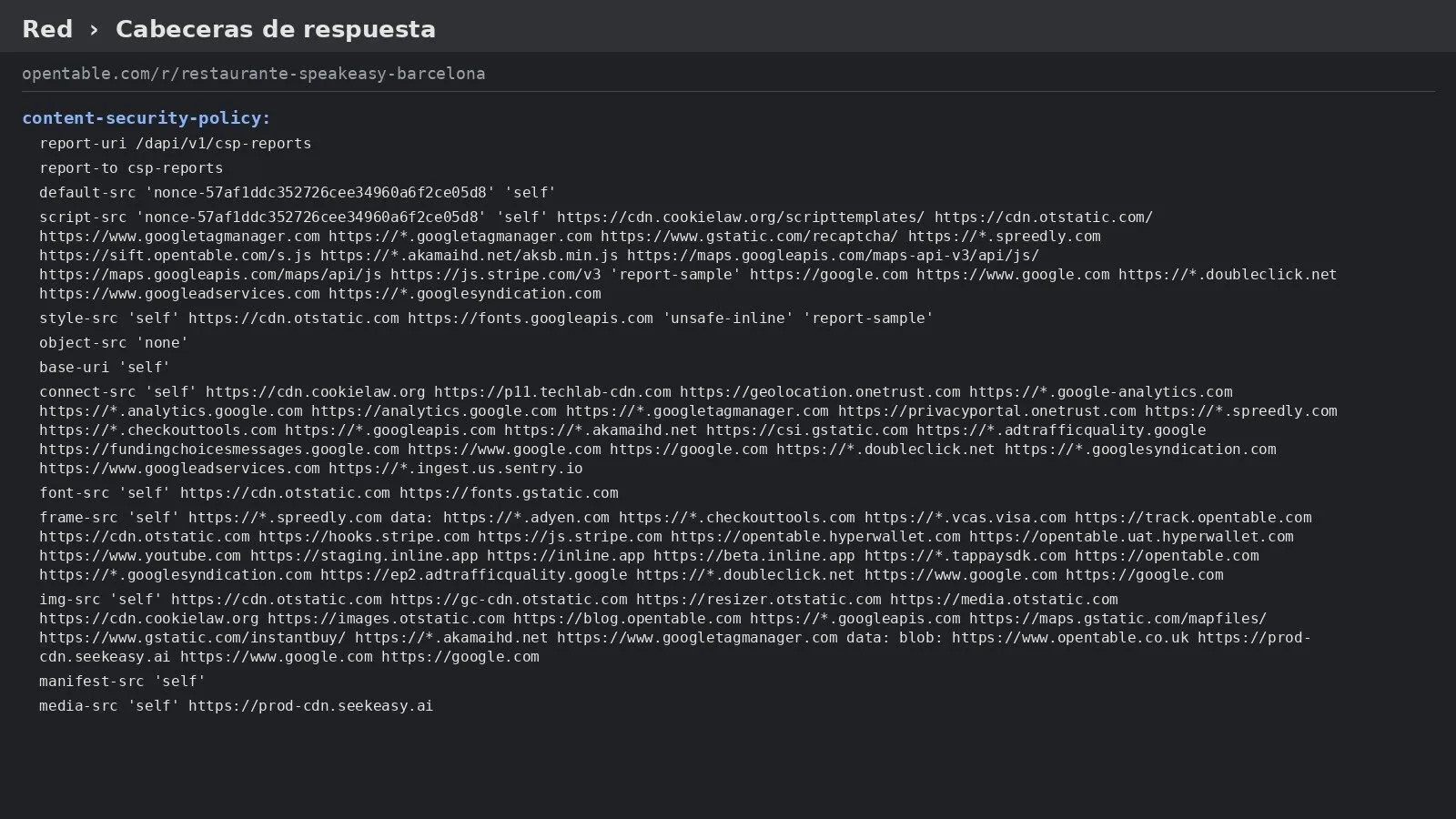
Restaurant Reservation Widgets and Cookie Consent: The CSP Checklist
A reservation widget loads scripts from a domain you don't control, so your CSP and consent banner both need updating. Here's what to check.
Embedding a Restaurant Reservation Widget Without Losing Attribution
Linking out to a booking provider's own page breaks your analytics the same way an ordering link does. Here is how to keep reservations attributed to your site.